Waktu gratis tersisa
10:00
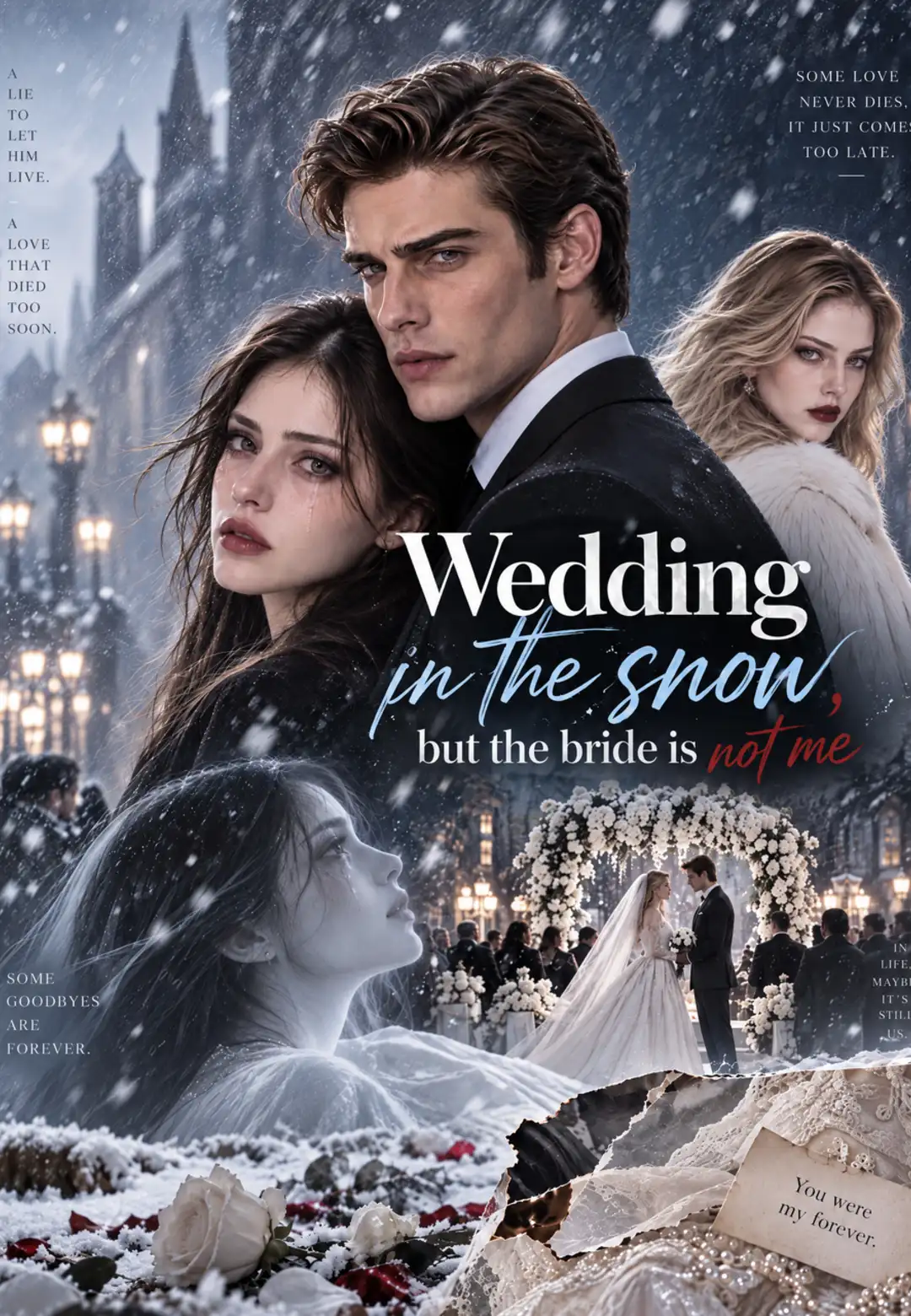
On her 18th birthday, Olivia stands before a bridal shop window and makes a wish: to walk with Ethan from campus all the way to the wedding. Ethan is so poor that he has to haul bricks across an entire construction site before he can afford that thousand-dollar white dress, yet he still promises her a grand wedding in Beverly Hills someday. Years later, in the same year his startup fails and his grandfather passes away, her mother is dying of cancer and hands her the family's history of schizophrenia like a "verdict." She offers no explanation and gives him no chance to choose, cutting off all contact overnight for a year; and at his most bedraggled, it is Victoria of the Sinclair family who catches him, five years of companionship exchanged for a family-arranged engagement. A year later, Olivia returns home with a diagnosis of terminal leukemia, wanting only to be a bride once before she dies. She opens with "marry me," and he lays out one by one the 520 roses, the engraved keychain, and the mugs the two of them made together, and the answer he finally gives is "unless you're dead, I will never marry you." His interview turns her into the first love who "ditched me for being poor," and the whole internet condemns her as a gold digger; Victoria posts bath-towel photos, places bets, and forces her to disappear; she says publicly "I'm sick," and then collapses. She asks only to get back the wedding dress her mother sewed under the lamp, only to be told the dress was long ago given to Victoria, and its collar is torn open right on the spot. At the July 7 Charleston wedding, she stands in the corner, raises a glass in blessing, takes her medication, and collapses, and resuscitation fails. After death she becomes a ghost: able to see everything, yet unable to touch anyone. The settling of accounts begins with her belongings — two return bus tickets, their password the day they started dating; a stack of letters that alone omits the reason she left; two secret trips home, one in the rare heavy snow of her hometown watching him wrap a scarf around Victoria, and one behind the interview crowd watching him being urged to accept Victoria. In the memorial chapel, Victoria produces the pregnancy-termination papers, refuses his money, and turns to leave; he shuts himself in and harms himself, and she breaks down the door, slaps him, and guards him back over three days and three nights; he falls from a building again, and after surgery loses his memory, able only to clutch the wedding dress and propose to empty air. Months later Victoria is taken away by her family to marry another, and a year later he is found dead at home. This is not a revenge-satisfaction drama: what she wanted was never for him to suffer, but for him to be willing to hear her out to the end; what he gave was never love, but belated understanding. Two timelines shifted out of step make up the tragedy of the whole drama.
